
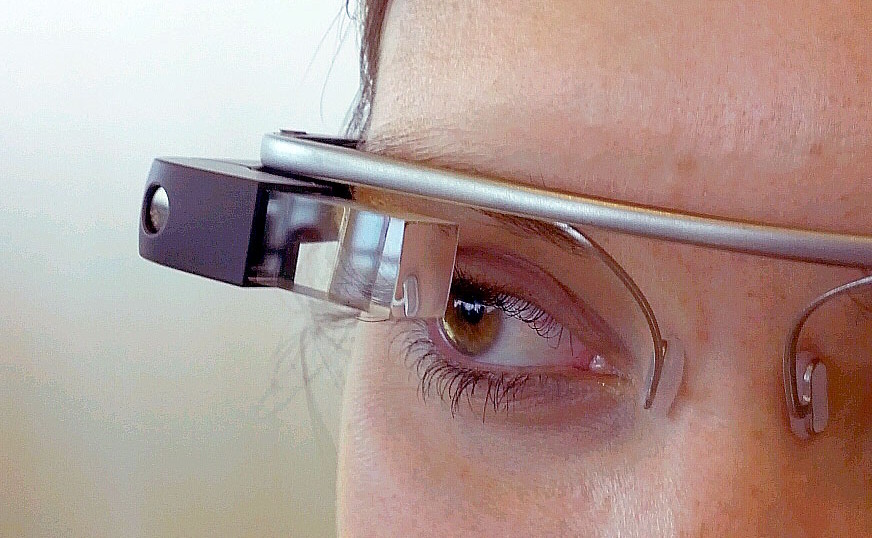
Google Glass (Consumer Edition) — the ambitious AR headset that never caught on with everyday users.
Google Glass (Consumer Edition) — a lightweight, head-mounted display that promised a hands-free future with instant photos, turn-by-turn navigation, and voice commands. Despite massive buzz, privacy concerns, limited apps, and a high price kept it from mainstream adoption.
History
First teased in 2012 and rolled out to early adopters via the $1,500 “Explorer Program” in 2013, Google Glass never saw a broad consumer launch. By 2015 the consumer push had effectively ended, and the project pivoted to an Enterprise Edition for workplaces. The consumer narrative remains one of tech optimism colliding with real-world acceptance.
What Makes It Special
A prism display floating in your field of view, hands-free camera, “OK Glass” voice commands, and a touchpad on the frame. It previewed daily-use augmented reality years before competitors, packing maps, messages, and photos into a sleek, featherweight headset.
Cultural Impact & Legacy
Glass became a lightning rod for the public AR debate: etiquette, privacy, and cameras in social spaces. The term “Glasshole” entered the lexicon, and some venues banned it. Still, Glass influenced later AR/VR design and proved there’s demand for hands-free info—if the execution, price, and context are right.
Variants & Modern Versions
Consumer “Explorer Edition” (2013–2015) in several colors; later “Enterprise Edition” units targeted factories, healthcare, and field work with improved hardware. The consumer line did not continue.
Quick Facts
- Debut: Explorer Program in 2013 (consumer push paused by 2015)
- Main Manufacturer(s): Google
- Materials: Lightweight frame with prism display, touchpad, camera, and battery module
- Sizes: One-size adjustable frame; very light (glasses-like fit)
- Notable features: Heads-up display, voice commands (“OK Glass”), on-frame touchpad, instant photo/video
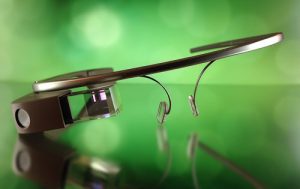
Google Glass (Consumer Edition)
🧾 Availability & Price (as of August 2025)
Typically found on secondary markets as used or refurbished Explorer units. Treat as a collectible or demo piece—many services and companion apps are deprecated, and batteries may be tired. Enterprise units exist but aren’t aimed at consumers.
Pricing (typical ranges)
- Common/loose (working Explorer): ~$150–$350
- Better condition / boxed: ~$350–$600+
- Rare/collectible (sealed, special bundles): ~$600–$1,000+ (sporadic)
Popular places to buy
Note: Expect limited functionality today. Check charging, touchpad response, prism clarity, and camera operation. Buy for collection, not daily use.
Collector’s Corner
Inspect the prism for yellowing or delamination, verify touchpad sensitivity, check for heat damage near the battery module, and confirm the unit boots and pairs over Wi-Fi/Bluetooth. Original packaging, extra nose pads, and lenses raise value. Store cool and dry; avoid leaving batteries fully discharged for long periods.
Notable Records & Achievements
One of the first high-profile consumer AR wearables—Glass set the template for what a heads-up, camera-equipped device could be, and for how public perception can decide a product’s fate.
Fun Facts
- Sky-high debut: Google demoed Glass with live-streamed skydivers landing on a conference center during its first big reveal.
- “OK Glass”: The wake phrase became a pop-culture catchline for voice-controlled wearables.
- Frames & shades: Glass supported clip-on lenses and sunglasses to look more “normal” in public.
Watch: Google Glass How-to: Getting Started
Video courtesy of @GoogleGlass
on YouTube.